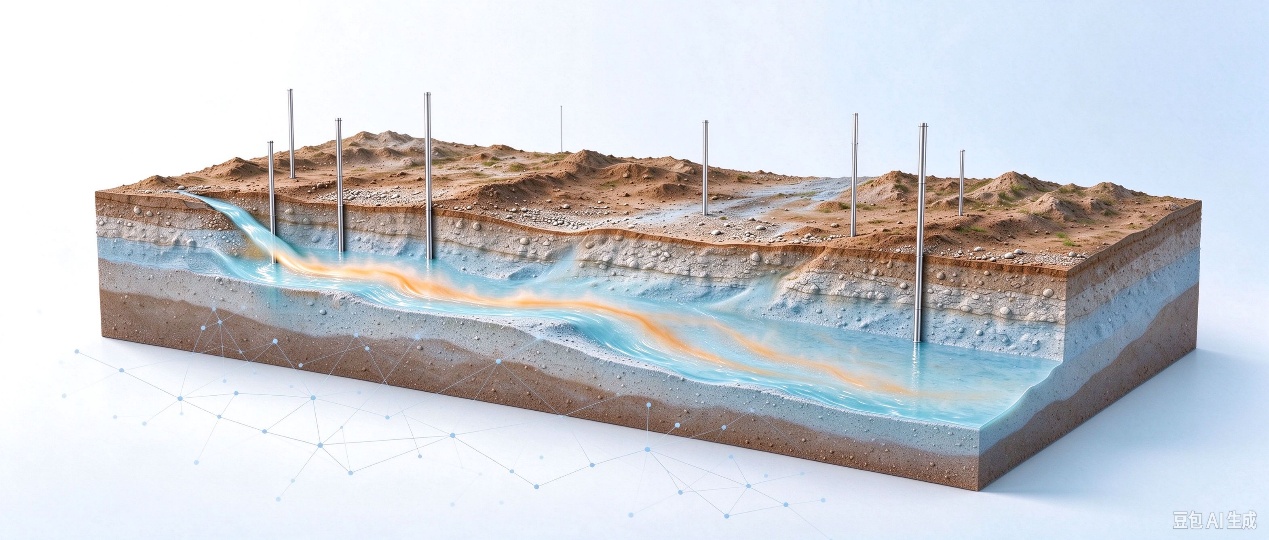

Where contaminants migrate after entering groundwater, and how long they remain in the subsurface, are among the most critical yet challenging questions in groundwater contamination prevention and remediation. Contaminants may rapidly reach downstream water supplies through highly permeable pathways, or they may become trapped within low-permeability domains, where they are slowly released over extended periods.Recently, a team of researchers led by Chair Professor Chunmiao Zheng from the Easter
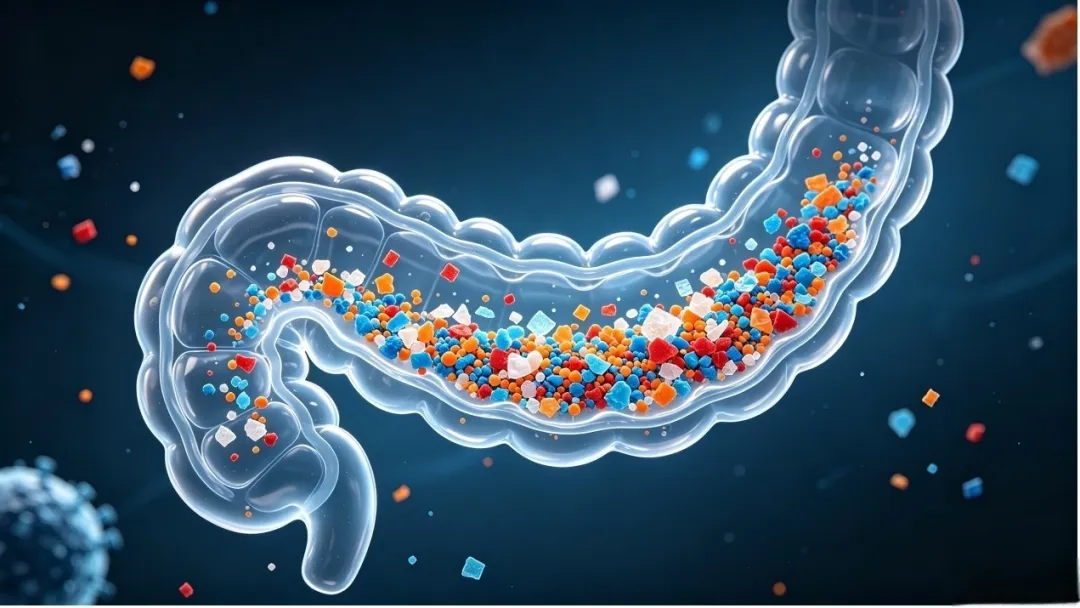
Have you heard of microplastics? These tiny plastic fragments, less than 5 millimeters in diameter and invisible to the naked eye, are found in water, food and even air. In a joint multi‑institutional study, researchers conducted the first systematic analysis of microplastics in human intestinal tumor tissues. They found that the detection of microplastics is statistically correlated with elevated tumor recurrence risk and aggravated gastrointestinal symptoms.This work explores the intrinsic lin
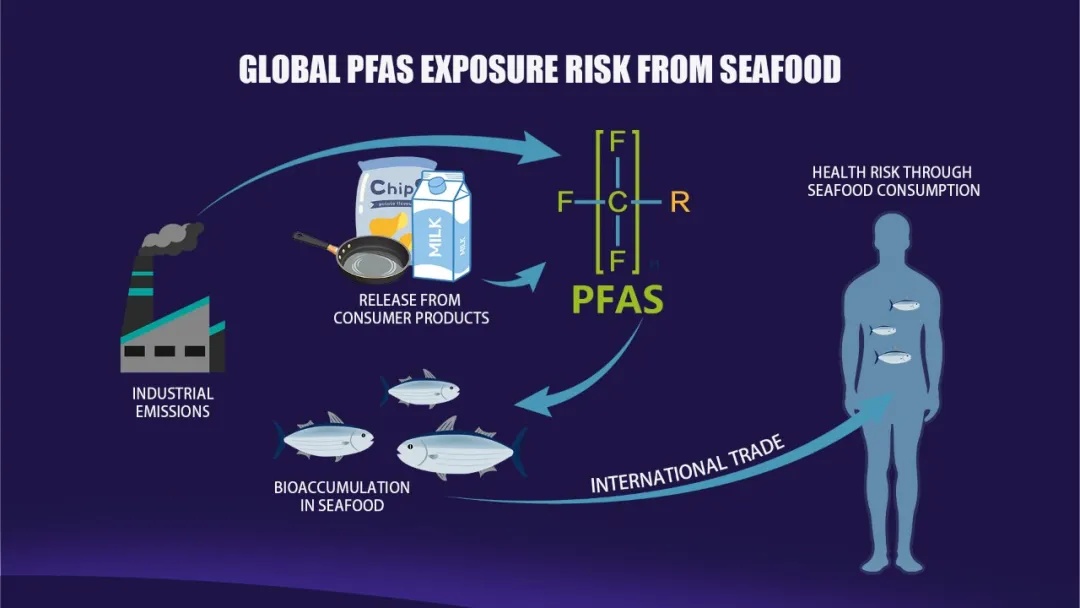
Salmon and tuna that you commonly eat may be silently carrying an invisible health risk.A research team led by Chair Professor Chunmiao Zheng from the School of Environment and Sustainable Engineering, Faculty of Engineering, Eastern Institute of Technology, in collaboration with Associate Professor Wenhui Qiu’s group at Southern University of Science and Technology and multiple partner institutions, has found that per‑ and polyfluoroalkyl substances (PFAS) continuously bioaccumulate along marin